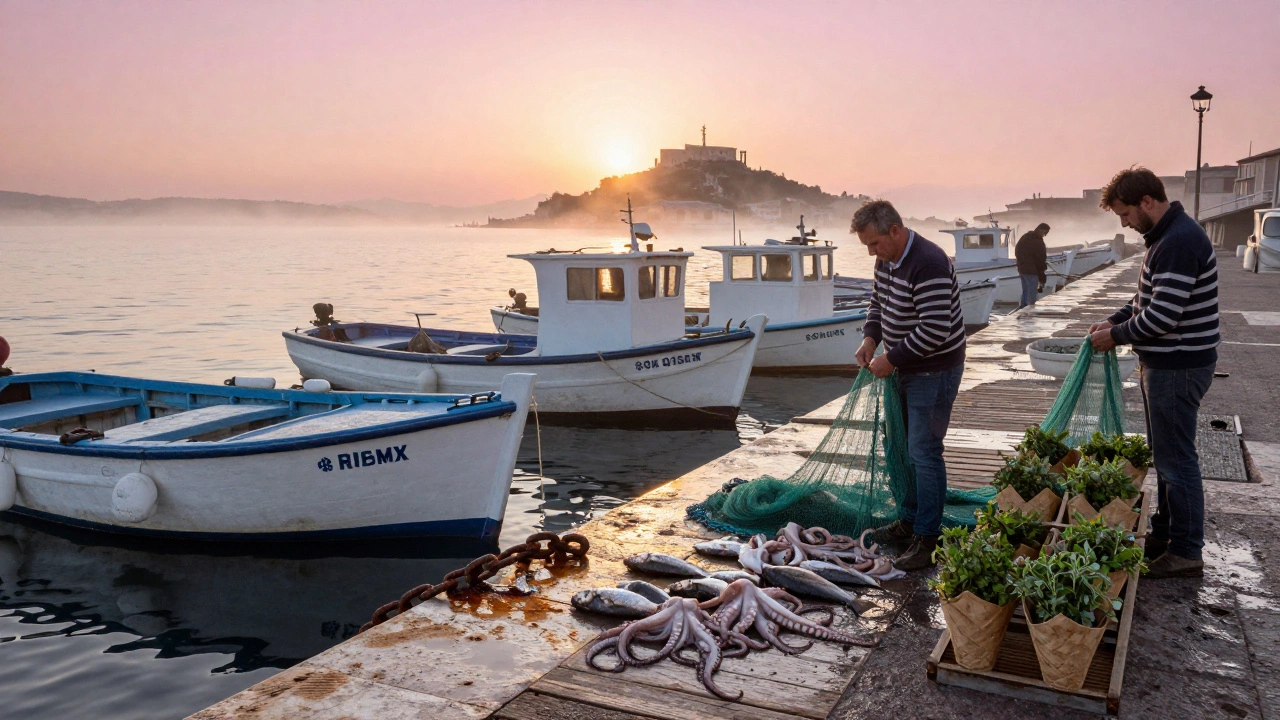
Marseille isn’t just a port city. It’s a living tapestry of Mediterranean winds, ancient alleys, and sun-warmed stone. The smell of salt and grilled sardines drifts through the Vieux-Port. Fishermen mend their nets beside cafés where locals argue over football and politics over tiny cups of strong coffee. This isn’t a postcard. This is real life, raw and radiant.
If you’ve ever scrolled through images of Dubai’s glittering skyline and wondered what luxury feels like overseas, you might stumble upon escort dubai arab listings online. But Marseille doesn’t sell glamour. It offers presence. You won’t find velvet ropes or private yachts here-unless you rent one yourself. What you will find is authenticity, the kind that doesn’t need a price tag.
The Old Port: Heartbeat of the City
The Vieux-Port has been Marseille’s pulse for over 2,600 years. Founded by Greek settlers, it’s still where the city breathes. At dawn, boats unload octopus, sea bream, and mackerel. By noon, street artists sketch tourists, and elderly women sell fresh herbs in paper cones. At night, the fish restaurants light up, and the smell of bouillabaisse fills the air. Order it with rouille and crusty bread. Don’t ask for substitutions. This isn’t a menu. It’s a tradition.
Walk the promenade along the water. Watch the sun dip behind the Château d’If. That island fortress? It’s where Edmond Dantès was imprisoned in The Count of Monte Cristo. You can tour it, but the real magic is sitting on the steps below, listening to the waves crash against the stone.
Le Panier: Marseille’s Soul in Stone
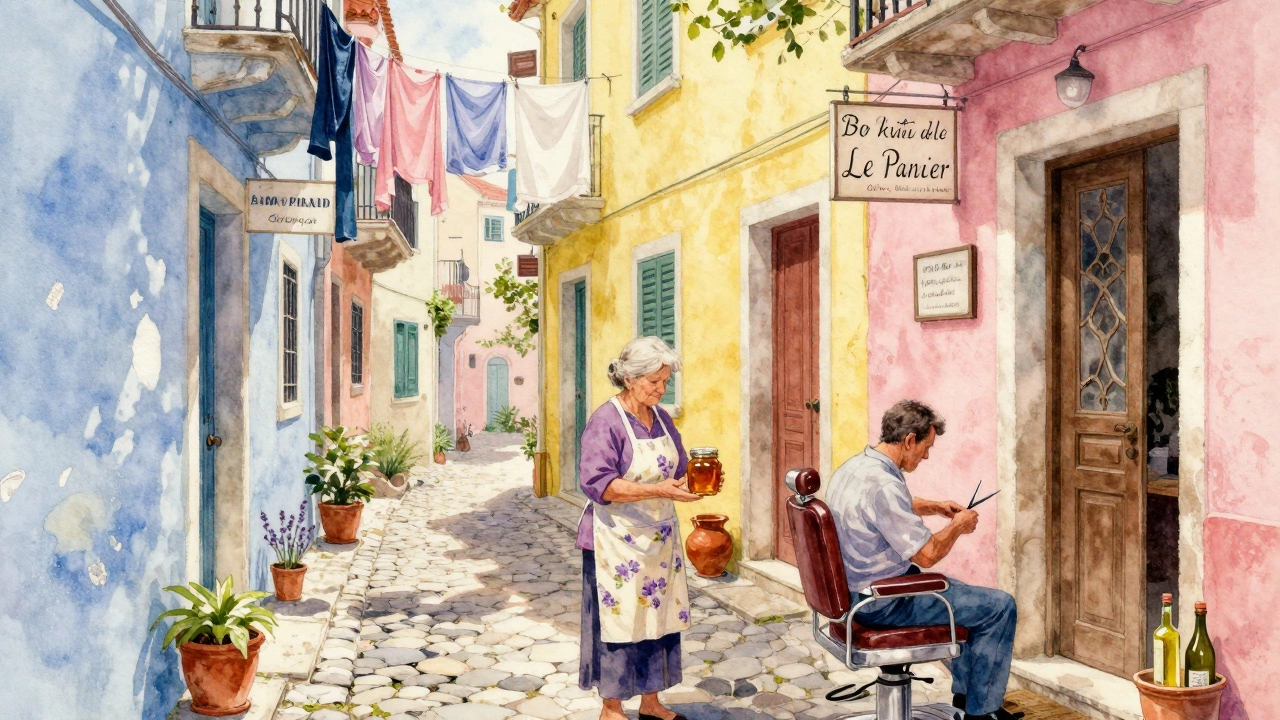
Just uphill from the port lies Le Panier, the oldest neighborhood in Marseille. Its narrow lanes twist like old vines. Walls are painted in faded blues, yellows, and pinks. Street signs are handwritten. Tiny shops sell handmade soap, olive oil, and ceramics shaped by hands that’ve done the same work for generations.
Here, you won’t find chain stores. You’ll find Madame Lefèvre, who’s been selling her lavender honey since 1978. Or the barber who still uses a straight razor and gives you a free glass of pastis if you’re lucky. Le Panier doesn’t cater to tourists. It welcomes them-if they’re quiet, respectful, and willing to listen.
The Calanques: Nature’s Masterpiece
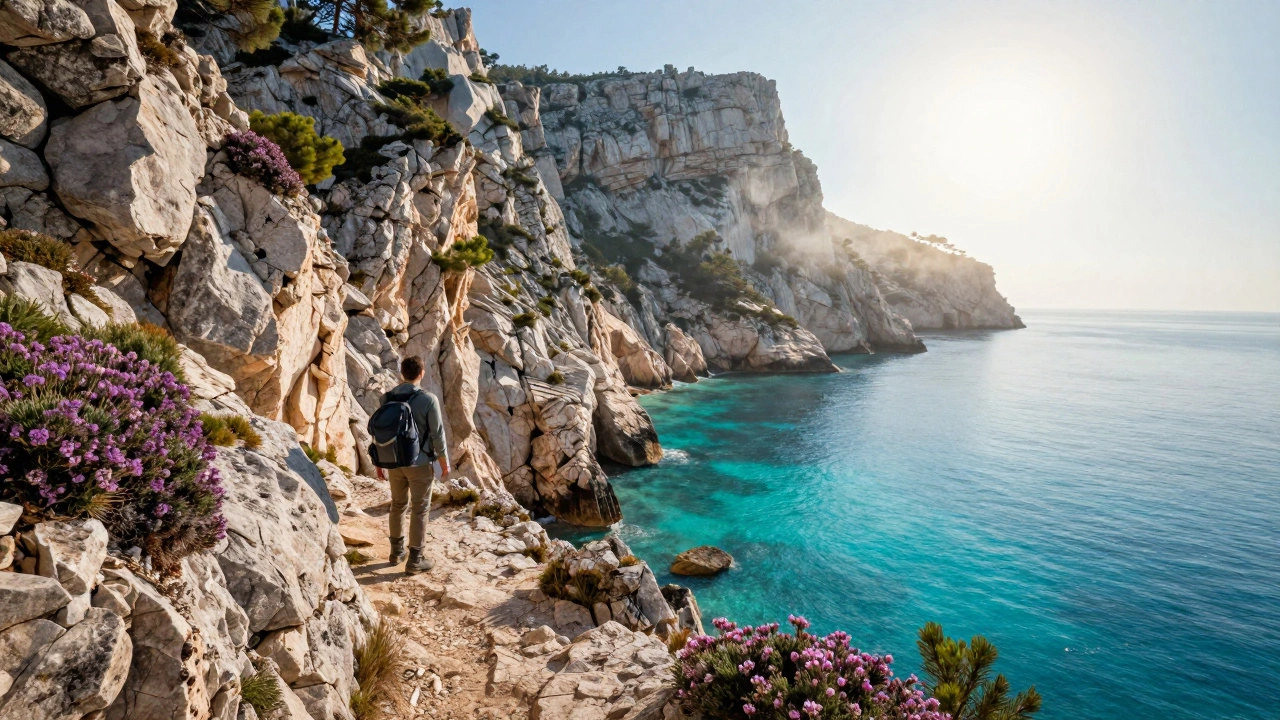
Twenty kilometers south of the city, the Calanques rise like emerald cliffs from the sea. These are not beaches. They’re natural amphitheaters carved by time. Sormiou, Sugiton, Port-Miou-each is a secret cove reachable only by foot or boat. Hiking trails wind through limestone, past wild thyme and pine. At the bottom, the water is so clear you can see fish darting between rocks.
Go early. Arrive before 9 a.m., and you’ll have the cove to yourself. Bring water. Wear good shoes. No flip-flops. The rocks are sharp. And don’t leave trash. Locals here don’t just love nature-they protect it. You’ll see signs in French: Respectez la nature. They mean it.
Marseille’s Food: More Than Bouillabaisse
Bouillabaisse is famous, but Marseille eats far beyond it. Try la tapenade-olive paste mixed with capers and anchovies, spread on warm baguette. Eat la poutargue, cured fish roe, sliced thin like prosciutto. Don’t miss la fougasse, a sweet or savory bread studded with olives or orange zest.
Head to Marché des Capucins for the real deal. It’s not touristy. Locals shop here. Grab a glass of rosé from a stall, then sit on a bench and watch the rhythm of the market. Fishmongers shout prices. Cheesemakers slice samples. A woman sells figs from her garden, still warm from the sun.
And if you’re craving something sweet? Try la calisson. It’s a candy made from ground almonds and candied melon, shaped like a tiny boat. It’s been made in Aix-en-Provence since the 15th century. You’ll find it in every bakery in Marseille.
Why Marseille Doesn’t Need to Be Dubai
Some people travel looking for luxury. They want marble floors, champagne flutes, and staff who anticipate their every need. Dubai delivers that. But Marseille delivers something rarer: truth. You won’t find dubai escort cheap here. You won’t find a vip escort in dubai service. You won’t find curated experiences sold in packages.
What you’ll find is a city that doesn’t try to impress. It simply exists-loud, messy, beautiful, and proud. The woman who sells you fruit at the market won’t smile because she’s trained to. She’ll smile because she’s happy you liked her figs. The fisherman who gives you extra mackerel? He does it because he remembers his grandfather doing the same.
Marseille doesn’t need to be glamorous to be unforgettable. It’s the kind of place that stays with you long after you’ve left. Not because of what you saw, but because of how you felt.
When to Go and How to Get Around
The best time to visit is April to June or September to October. Summer is hot and crowded. Winter is quiet, with occasional rain-but the light is soft, and the city feels like your own.
Public transport works well. The metro goes from the airport to the city center in 30 minutes. Buses reach the Calanques. But the best way to explore? Walk. Marseille is a city meant to be discovered on foot. Get lost. Turn down a street you’ve never seen. Knock on a door that says atelier. Someone will invite you in.
What to Pack
- Comfortable walking shoes
- A light jacket for cool evenings
- A reusable water bottle
- A small notebook and pen
- A camera-no filters needed
Leave the designer bags at home. You won’t need them. Marseille doesn’t judge by what you wear. It judges by how you behave.
Final Thoughts
Marseille isn’t perfect. It’s noisy. It’s gritty. Sometimes, it’s overwhelming. But that’s why it’s real. It doesn’t pretend to be something it’s not. It doesn’t sell dreams. It offers moments.
Stand on the rooftop terrace of the MuCEM museum at sunset. Look out over the port. Watch the boats light up one by one. Listen to the distant sound of accordion music drifting from a nearby café. That’s Marseille. No filters. No hype. Just life, lived deeply.